

 Book Now
“Change happens through movement and movement heals”
- Joseph Pilates
What Is Pilates?
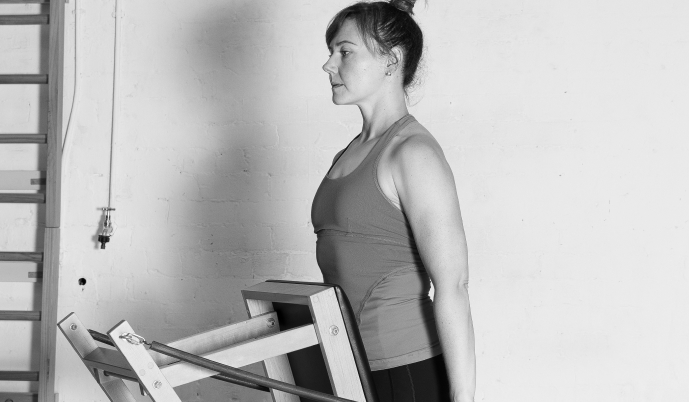
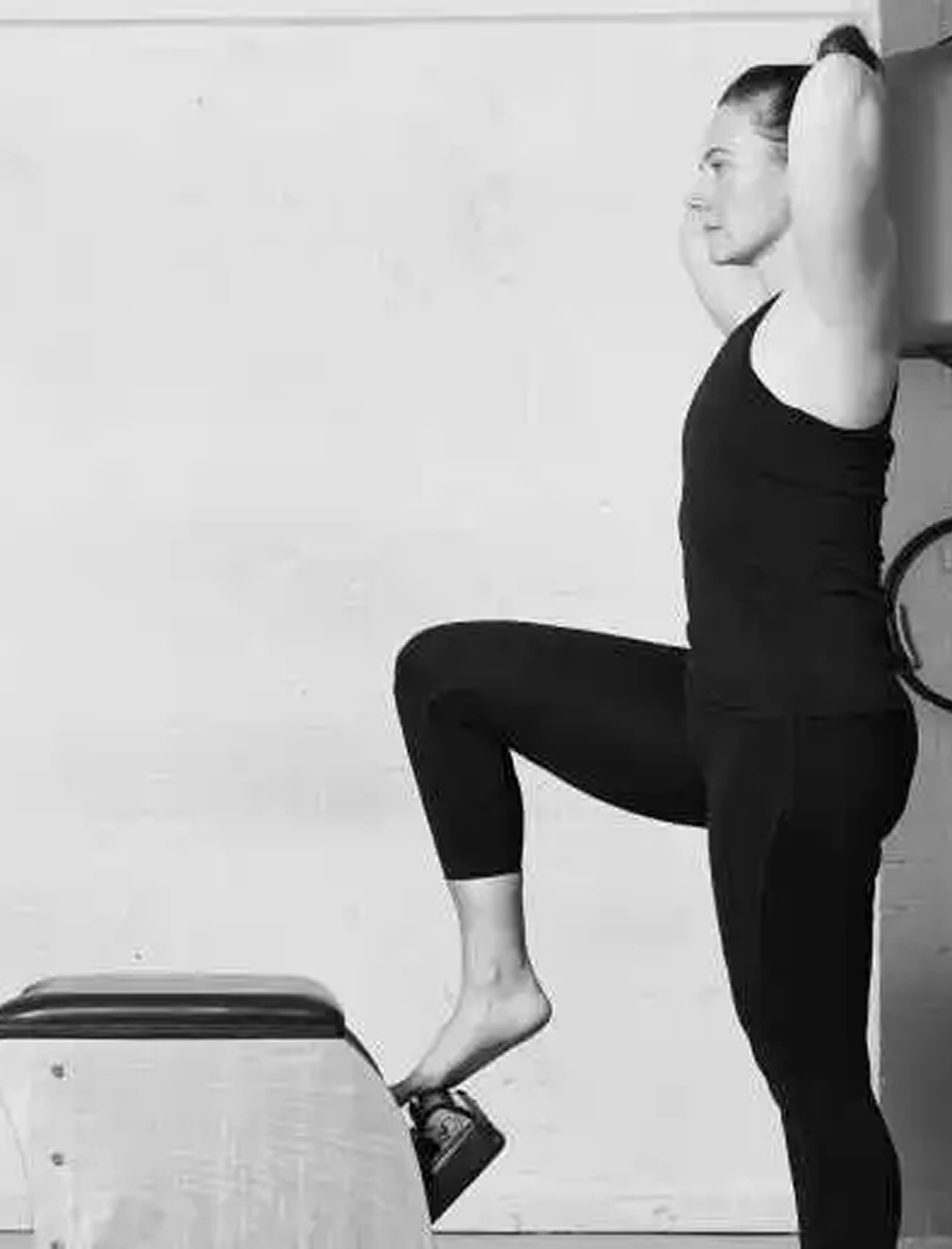
Pilates is a complete method of body conditioning that combines strengthening, stretching and controlled movement. Created by Joseph H. Pilates more than 90 years ago, the method was developed to build a strong, balanced and efficiently moving body.
Regular Pilates practice can improve strength and muscle tone, support better posture, increase flexibility and balance, and develop greater awareness of how the body moves. At the heart of the method is the connection between mind and body, with every exercise performed with purpose, precision and control.
While fitness trends continue to come and go, the Pilates method has stood the test of time. Its principles remain as relevant today as when they were first developed, offering a systematic approach to creating strength, balance and overall physical wellbeing.
Joseph Pilates began developing his method in Germany during the early 20th century. Having experienced physical challenges and illness during childhood, he became deeply interested in improving the strength and condition of the human body through movement and exercise.
He later called his method “Contrology” — reflecting his belief that the mind should consciously guide and control the body. His approach was created not simply as a form of exercise, but as a way to develop a healthier body, a focused mind and a more balanced approach to everyday life.
Today, these principles continue to form the foundation of the traditional Pilates method and the way we teach and practise Pilates in our studio.
Who can use Pilates?
People who suffer from chronic pain and joint stress
Pregnant women (pre- and post natal)
Business and Professionals
Athletes
Physical fitness and training instructors
Performers and artists
Senior citizens
Teenagers
Anyone who wishes prevent osteoporosis
Those who suffer from stress and back pain
Overweight people
What the Pilates is NOT
There is no free play or movements made quickly or jerkily.
There is no running or violent movement.
Any straining to the point of exhaustion is considered counterproductive.
No heavy weights are involved, and in most of the cases movements are only repeated a few times each.
Finally, it’s not “physical therapy” but rather body-conditioning.
The Six Fundamental Principles of Pilates
Concentration
Pilates requires focus and awareness. By giving your full attention to each movement, you develop greater control, precision and connection between your mind and body.
Control
Every Pilates movement is performed with intention and control. By allowing the mind to guide the body, movements become more precise, purposeful and effective.
Centering
Pilates movement begins from the body’s centre. Joseph H. Pilates referred to this central area as the “Powerhouse,” encompassing the abdominal muscles, lower back and buttocks. Developing strength and control through the Powerhouse provides a strong foundation for movement throughout the entire body.
Flowing movements
Pilates exercises are performed with smooth, continuous transitions, allowing the body to move through a full range of motion with control, coordination and purpose.
Precision
Every movement in Pilates is performed with purpose and attention to detail. Precision works closely with control, encouraging correct technique and alignment to ensure each exercise is performed effectively.
Breathing
Breathing is an essential part of the Pilates method. Coordinating deep, purposeful breathing with movement helps oxygenate the body, encourages focus and supports greater control and efficiency throughout each exercise.
What is Posture?
The term Posture describes an overall body position, the way we hold ourselves or position our bodies, intentionally or unintentionally.
Good posture requires a person to maintain the alignment of certain body parts;
Poor posture is often acknowledged as a cause of musculoskeletal pain, joint restriction or general discomfort.
Factors affecting posture:
Structural or anatomical
Age
Physiological
Pathological
Occupational
Recreational
Environmental
Social and cultural
Emotional
Understanding Posture
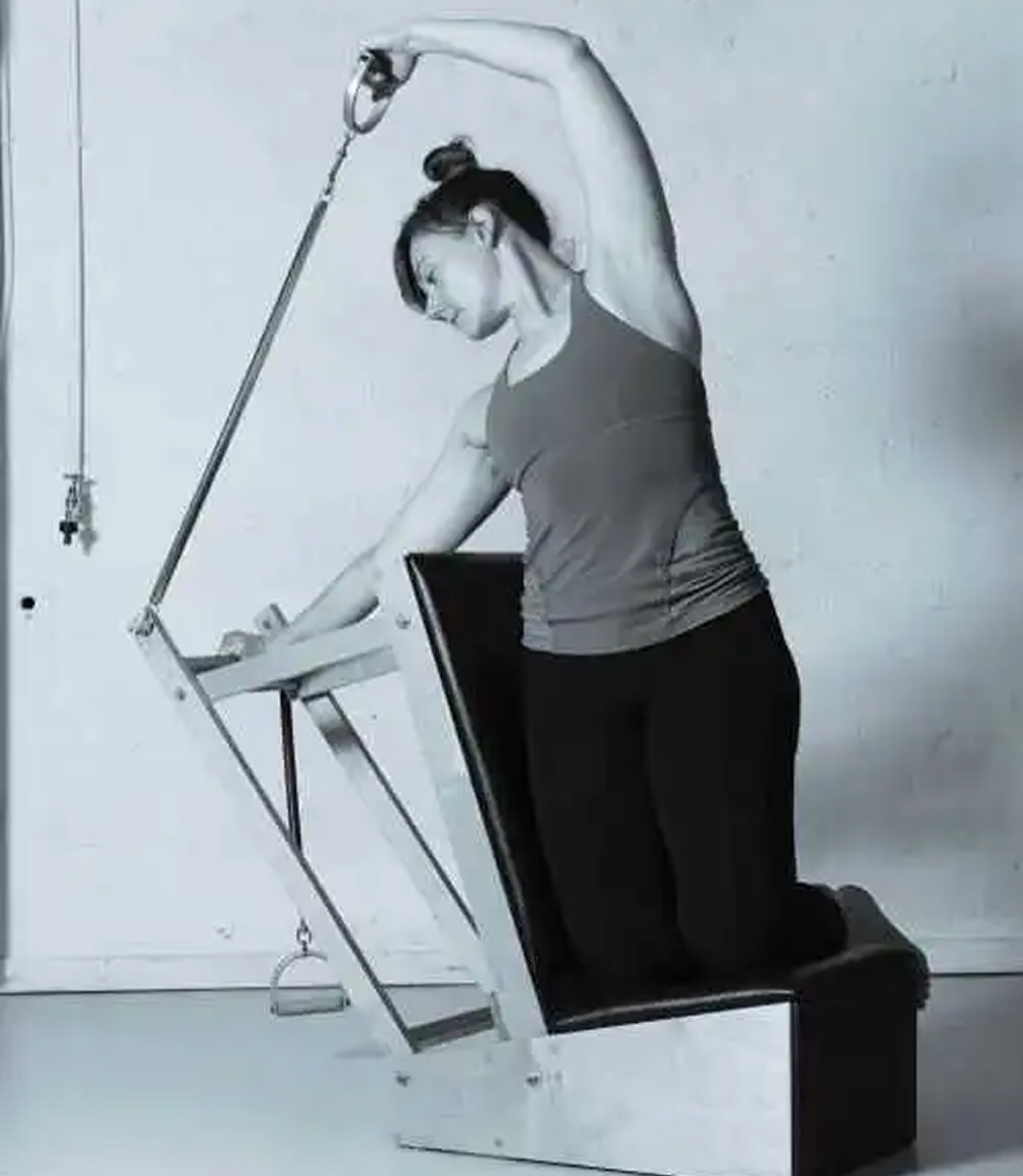
Posture refers to the way we position and hold our bodies throughout everyday life, whether we are standing, sitting, moving or exercising. It can be influenced by both conscious habits and movements we perform without even thinking about them.
Good posture involves maintaining balanced alignment throughout the body, helping muscles and joints work together efficiently and supporting comfortable, functional movement.
Poor postural habits may contribute to muscle tension, joint stiffness and general discomfort over time. Developing greater awareness of your posture and movement patterns can help encourage better alignment and more efficient movement in everyday activities.
Factors affecting posture stays the same.
Pilates can support better posture by developing strength and awareness through the body’s deep stabilising muscles. Central to the traditional Pilates method is the “Powerhouse” — the abdominal, back and pelvic floor muscles that provide support and stability for the body.
As these muscles become stronger and more coordinated, the body can maintain alignment with greater ease, reducing unnecessary tension through areas such as the neck and shoulders. This improved support can also encourage more balanced movement through the hips, legs and feet, helping you stand and move with greater control and confidence.